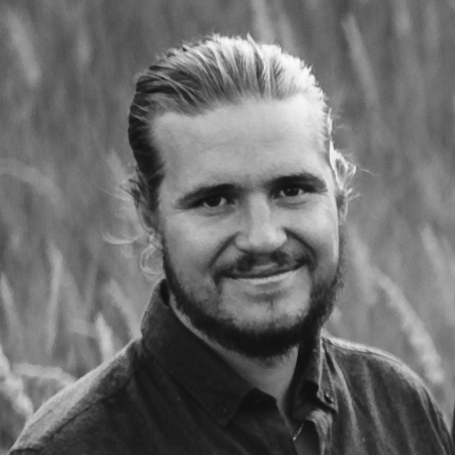
Eric Andersson

Eric Andersson

I am a research scientist at the American Museum of Natural History. My primary research interest is in understanding how the formation of stars and star clusters influences the evolution of galaxies. In my work, I develop and test different models of single star formation, evolution, feedback, and enrichment.

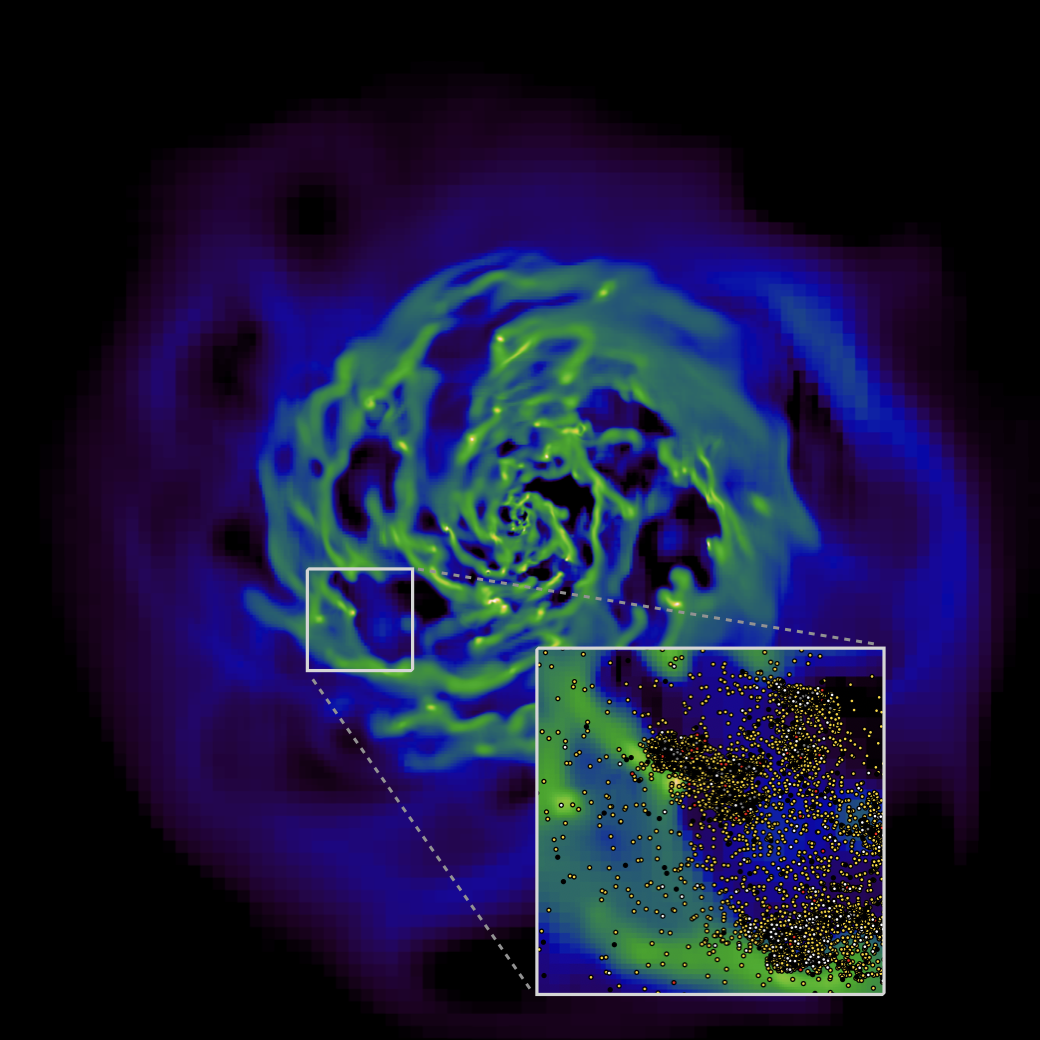
INFERNO

INFERNO implements star-by-star calculations to galaxy simulations to study how individual stars affect the baryon cycle in galaxies. The model includes, e.g., the effects of runaway stars, chemical enrichment from specific stellar evolutionary stages, and comparisons with resolved-star observations.
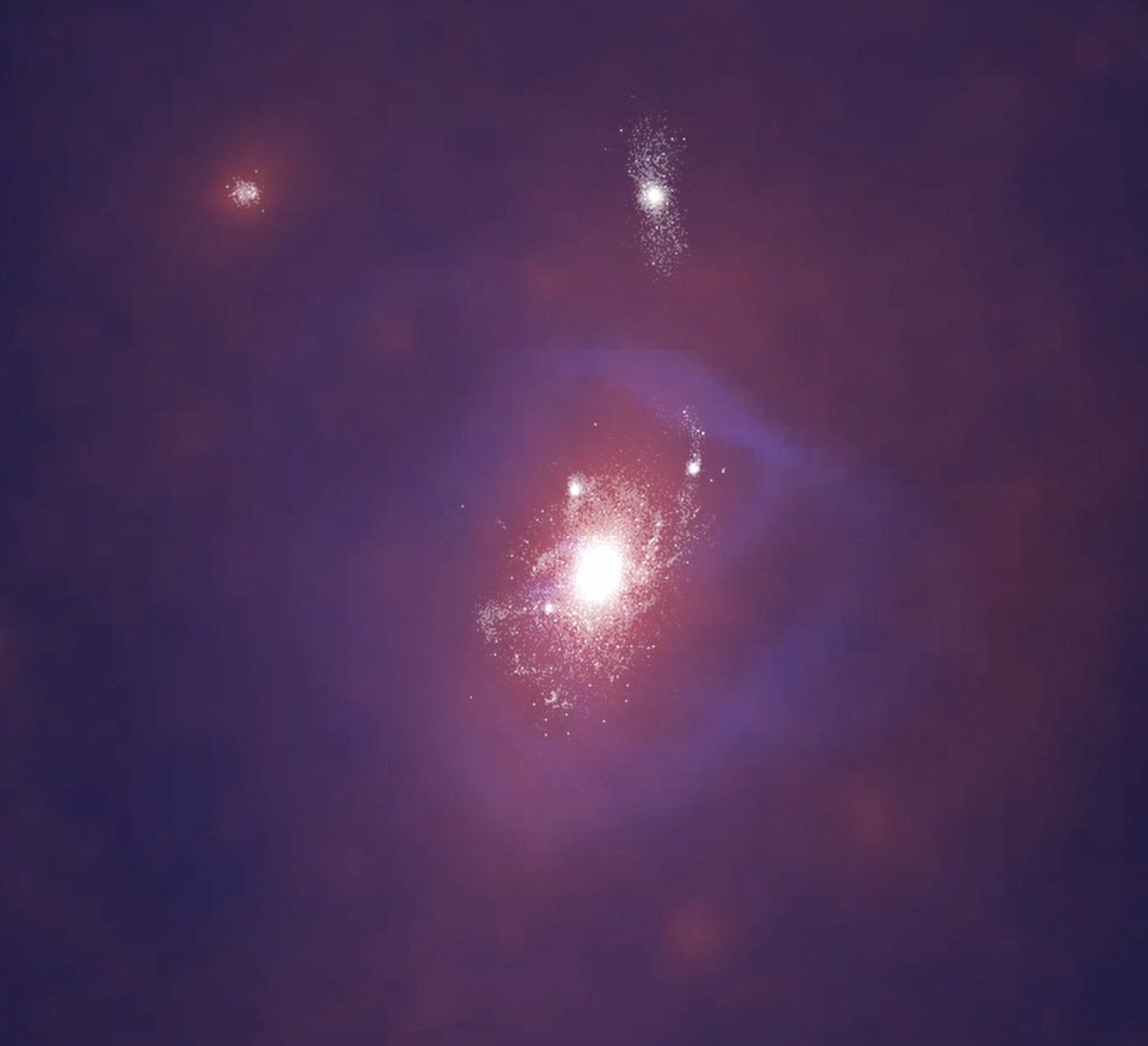
Engineering Dwarfs at Galaxy Formation's Edge (EDGE)

The EDGE project investigates the formation of the smallest galaxies in the Universe to learn about the nature of dark matter, the interstellar medium, and star formation in dwarf galaxies. My latest contribution extends the physics model in EDGE with the INFERNO model.

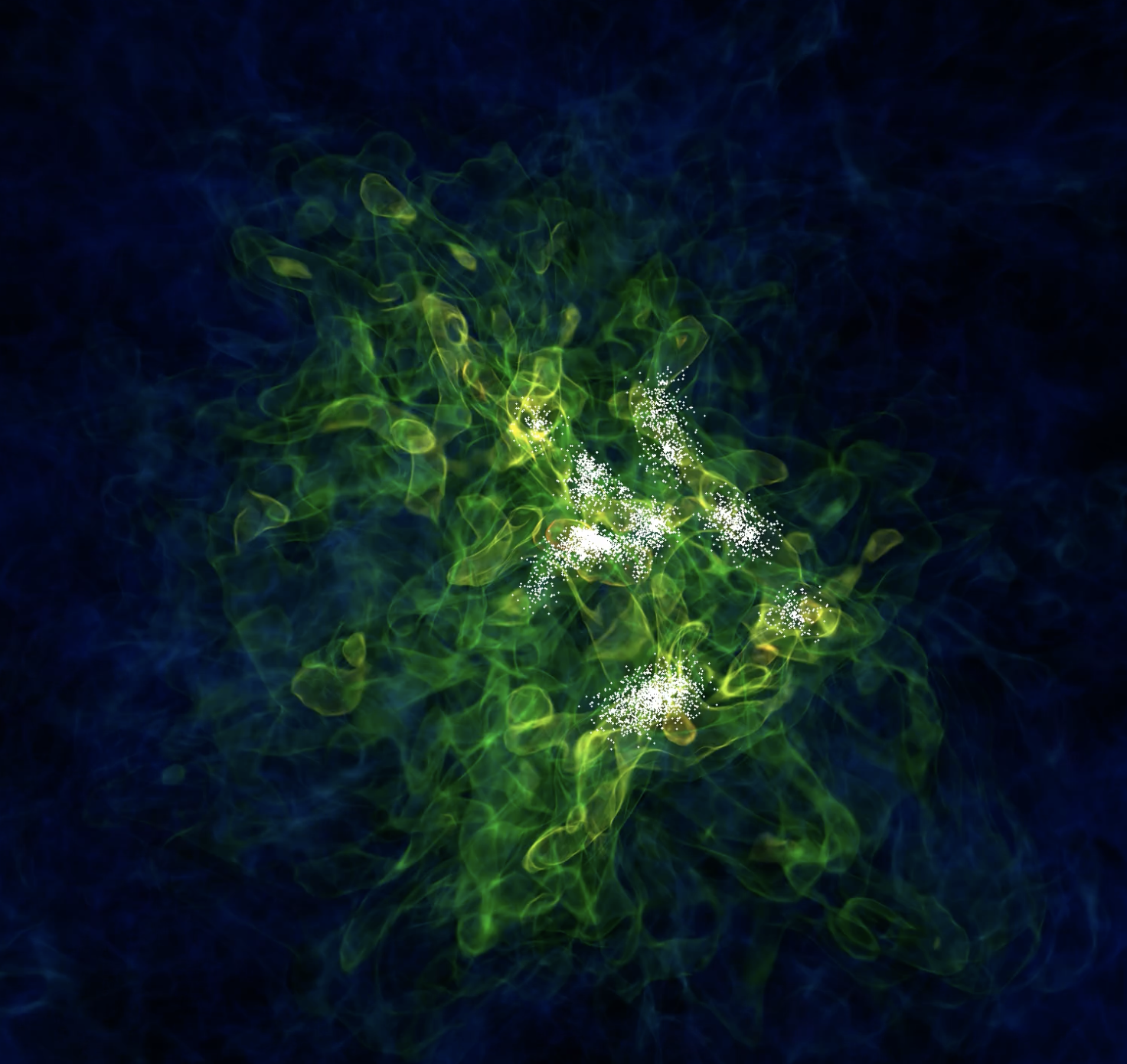
Torch

Torch is a code base that couples magnetohydrodynamics and direct N-body stellar dynamics to simulate the formation of star clusters. Torch utilizes the Astrophysical Multipurpose Software Environment to combine various state-of-the-art software tools optimized for treating specific physical processes.

Research output and CV

I received my PhD from Lund Observatory (Sweden) in 2022, and I'm currently employed as a Research Scientist in the Astrophysics Department of the American Museum of Natural History. I'm PI of and funded by a NASA Astrophysics Theory Grant to study the formation of dwarf galaxies. Find more details about my career and achievements on my CV, or see my publications by following the link to the SAO Astrophysics Data System.

Curiculum Vitae

Last updated October, 2025.

Astrophysics Data System

Eric P. Andersson

Contact

eandersson@amnh.org
Feel free to contact me via email if you have any questions about my research, want to make an inquiry for data from my work, or want to discuss other matters.